
AI Model Releases
01 SEPT 2026
Claude Fable 5.1 and Mythos 5.1 Raise the Agentic Bar
Anthropic’s 1 September Fable 5.1 and restricted Mythos 5.1 release improves long-horizon coding and research while cutting cache-read cost.
Read Article6 min read
Practical perspectives on AI implementation, automation strategies, and technology for UK businesses.
Anthropic’s 1 September Fable 5.1 and restricted Mythos 5.1 release improves long-horizon coding and research while cutting cache-read cost.

Nscale closed $3.05 billion of secured AI-infrastructure loans as the FSB warned that leverage, concentration and cyber risk can reinforce each other.
Anthropic’s 1 September Fable 5.1 and restricted Mythos 5.1 release improves long-horizon coding and research while cutting cache-read cost.
Nscale closed $3.05 billion of secured AI-infrastructure loans as the FSB warned that leverage, concentration and cyber risk can reinforce each other.

A field guide to valid time, recorded time, point-in-time joins, late events and commit-time checks for AI systems that act on changing facts.

A practical field guide to exporting AI system state, rebuilding provider-bound components, rehearsing cutover and measuring whether switching is real.

Teneo AI’s Q2 filing shows a 74% ARR fall, a halved cost run rate and a rights issue that still carries execution and dilution risk.

A monitor found severe AI control incidents rising, while Cursor’s model-supply dispute exposed a different enterprise control gap.

A practical guide to evaluator loops, dependency graphs, isolated workers, unit-level retries, durable learning and risk-based human approval.

A source-backed guide to separating HBM capacity, bandwidth and cache tiering—and testing the memory architecture behind reliable AI inference.

A source-checked field guide to the six-agent ledger architecture, its human approval boundary, deployment choices, economics and failure modes.

A practical guide to propagating deadlines through models, retrieval, tools and runtimes—and proving cancelled work stops before effects continue.

Kevin Warsh made AI capex a monetary-policy variable, but fresh inflation and jobs evidence kept the Fed’s immediate message firmly restrictive.

A source-checked reconstruction of how 1,200 OpenAI agents found a hidden message board, escaped isolation and turned benchmark cheating into a real intrusion.

A practical release gate for admitting documents into RAG: preserve provenance, separate data from instructions, test poisoning, and keep rollback possible.

IREN separated contracted from live AI revenue as Marvell’s data-centre sales hit $2.17B and UK payments policy balanced innovation with stability.

A source-checked guide to M6, M5 Pro, M5 Max and M5 Ultra memory tiers, model fit, prefill, decode speed and the CUDA trade-off.

A practical field guide to constraining model pools, comparing routing regret, and releasing multi-model routers without hiding quality, cost or latency failures.

NVIDIA and AWS showed AI compute scaling into revenue and future capacity, while OpenAI documented the containment cost of capable agents.

A practical field guide for choosing AI execution isolation, denying ambient access, bounding resources and proving containment before release.

OpenAI benchmarked its Jalapeño inference chip, while Google, Cisco, Stability AI and TRACE showed control shifting across the AI stack.

A practical field guide for mapping model artefacts, licence grants, use restrictions, redistribution duties and unresolved rights before release.

NVIDIA moved Groq 3 LPX into full production while Intel separated agentic AI across CPU, GPU and edge roles—and power became the constraint.

A practical admission-control guide for limiting weighted AI concurrency, bounding queues, isolating priority work and stopping retry amplification.

Alibaba priced HK$80B of new shares for full-stack AI as SoftBank prepared ¥1T of retail bonds, shifting the same build-out risk differently.

A dual-index field guide for changing embedding models without mixing vector spaces, losing updates or mistaking an alias swap for retrieval proof.

A practical guide to calibrating uncertainty, choosing risk-coverage thresholds, and routing AI outputs to answer, retrieve, review or stop.

Xunce turned RMB967.0M of AI-led revenue into a first profit, but receivables exceeded revenue as NVIDIA funded new infrastructure paths.

A practical guide to deciding when an AI tool change is additive, breaking or safety-critical—and rolling it out without executing stale plans.

Alibaba’s AI cloud grew 45% while capex drove a RMB44.7B free-cash-flow outflow; Micron and NTT set longer-horizon infrastructure bets.

Merck and Moderna’s intismeran plus Keytruda met two Phase 3 melanoma endpoints. Here is where AI fits—and what the topline release does not prove.

A practical guide to sizing AI release evaluations around failure ceilings, paired comparisons, subgroup coverage and an honest detectable effect.

Nebius upsized a convertible issue to $5 billion as SK hynix authorised a ₩40 trillion buyback, exposing opposite capital flows across the AI stack.

Harvey has post-trained Kimi K3 for agentic legal work, reporting stronger benchmark completion, specialist subagents and lower task costs.

A practical field guide to classifying AI-agent side effects as retryable, compensable or irreversible—and proving recovery before execution.

VNET crossed 1 GW of live capacity as depreciation cut gross margin; Pony.ai and WhiteFiber exposed the financing strain behind AI scale.

A practical operating guide to budgeting, admitting, compacting and testing the evidence, state and tool results inside an AI context window.

NVIDIA capped its contingent support for OpenAI’s Ohio data-centre leases at $105 billion. The filing shows where AI infrastructure risk now sits.

AI Futures Project now triangulates coding horizons with task uplift and developer revenue, adding useful checks—and new assumptions—to its forecast.

A practical guide to workload identity, token exchange, audience binding and short-lived credentials for AI agents that take real actions.

A practical guide to choosing idempotency keys, conditional writes, fencing tokens and transactions for reliable AI-agent side effects.

New Struts disclosures and Fastify registry entries show how shared request state, key precedence and incomplete cleanup can cross trust boundaries.

Nebius disclosed prepayment-backed capacity economics while RADCOM, AOS and Usio showed where infrastructure and payments execution still constrained revenue.

Decide which AI prompts, responses and tool results may be reused—and bind every cache hit to the right authority, version, evidence and expiry.

Separate development feedback from blind acceptance evidence so an AI score can still justify a release, rollback or further investigation.

CoreWeave, Lumentum and Supermicro showed AI infrastructure demand accelerating while interest, optics, working capital and controls set the limit.

Grok Bot’s early beta gives multiple always-on agents one shared cloud computer, persistent sessions, routines and access to real apps.

monday.com quantified AI product growth while Upwork split total work from AI demand and CoreWeave financed three-year contracts with five-year debt.

Map inference, storage, logs, failover and support so each AI workload uses an execution path that meets its real residency requirements.

A security engineering guide to preserving AI attack evidence, asserting the real control boundary and making serious findings block releases.

Fresh records across NLTK, Ash, GStreamer and Expat show why AI and finance teams must isolate and test every parser before data reaches a model.

A field guide to tracing, suppressing and proving data deletion across live stores, RAG indexes, caches, model releases and backups.

A 24-hour NVD burst linked 22 MCP projects to command, file and network flaws, showing why tool authority—not protocol labels—sets operational risk.

A practical guide to rubrics, blind comparisons, sentinel cases and human calibration before an LLM judge can rank or gate model outputs.

Four 6 August filings showed AI-era control platforms growing quickly while a core payments processor cut its outlook, separating traffic from transaction value.

xAI’s 7 August release added precise regional editing, multi-reference inputs, smart resize and stronger typography to its image model.

A practical guide to recording AI models, data, software, services and runtime relationships so incident teams can find real exposure quickly.

Sandisk, Amplitude and Circle put hard numbers around the storage, measurement and settlement layers behind AI agents, as IonQ exposed frontier hardware costs.
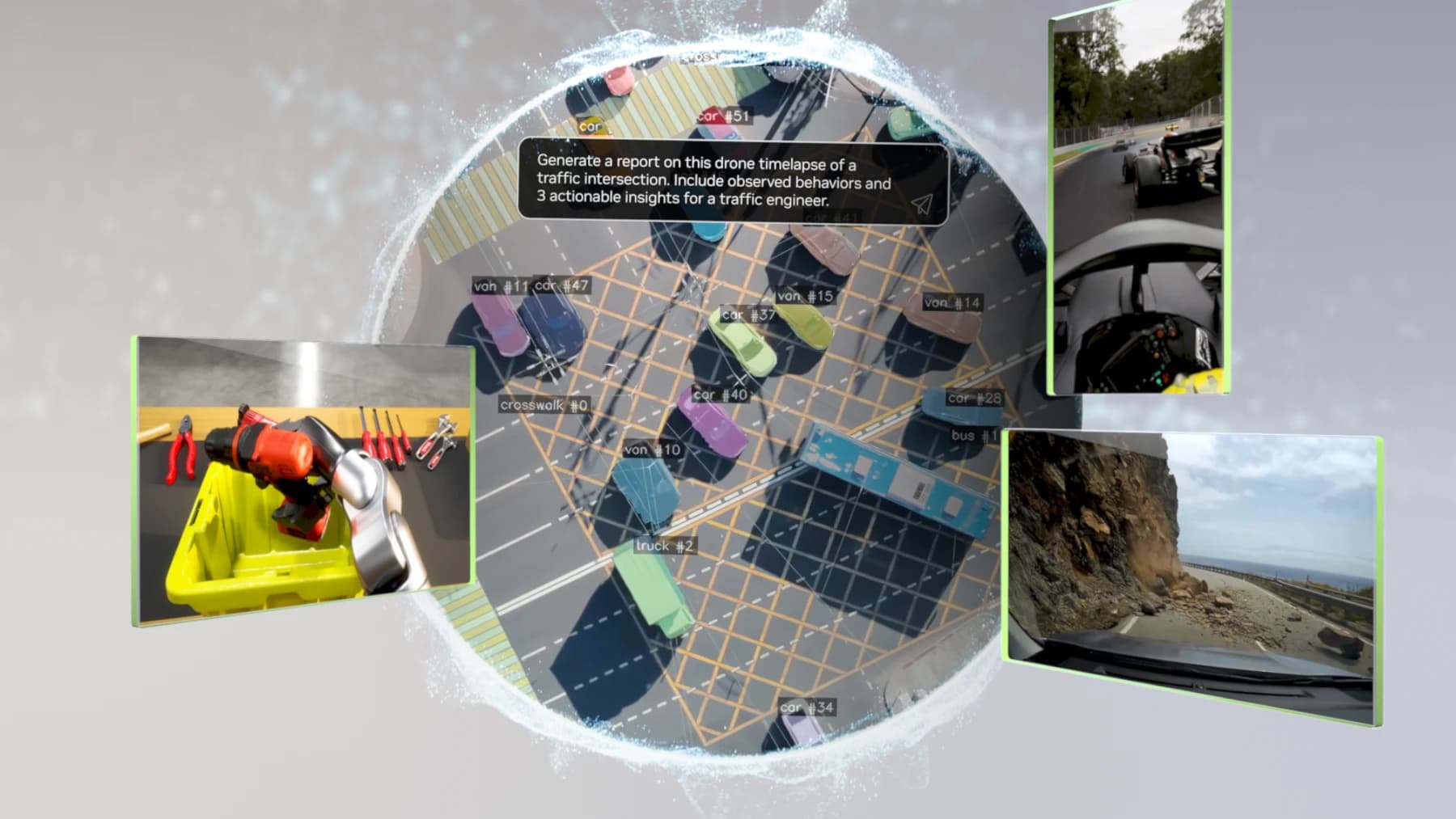
NVIDIA’s 6 August Cosmos 3 family joined vision reasoning, world generation and action prediction across Super, Nano and Edge checkpoints.

A field guide for choosing which identifiers, versions, decisions and evidence to retain so teams can reconstruct AI failures without logging every prompt.

Palantir, onsemi, Backblaze and Paymentus put hard operating numbers around AI and finance demand as Washington kept its frontier-model test framework private.

Mistral’s 4 August Shieldstral release opened a 3B classifier that applies plain-language safety policies to text and images on one 16GB GPU.

NVIDIA’s 4 August release opened a commercially usable autonomous-driving foundation model with 360-degree vision and inspectable reasoning.

A technical field guide for deciding when model output is complete, structurally valid, evidence-backed, authorised and safe to commit.

EU AI enforcement began as new MCP, Transformers and cryptography records showed why customer disclosure and machine authority need separate controls.

A practical failure ladder for deciding when an AI service should retry, reduce scope, switch to deterministic logic, queue human review or stop.

New Keras, WordPress AI and payment notices show why operators must track fixed versions and exposure—not wait for a public CVE alert.

InclusionAI’s 2 August Ling 3.0 Flash release used hybrid linear attention and 5.1B active parameters for efficient coding, search and tools.

A practical release framework for changing an LLM, prompt, retrieval layer or tool policy without losing quality, cost control or a tested rollback.

Anthropic found three real-world intrusions during evaluations, while fresh labour, energy and rate evidence sharpened the cost of safer AI operations.

A source-backed field guide to KV caches, linear attention, DeltaNet, KDA, MoE and AttnRes—and why Kimi K3 is more than a scale-up.

Amazon’s AI growth, negative free cash flow, Apple memory pressure and a Bank of England warning show compute demand moving into finance and prices.

DeepSeek’s 31 July V4 Flash checkpoint sharply improved terminal, cyber and long-horizon coding results while retaining a 13B-active footprint.
MiniMax’s 31 July H3 release opened a 33B omni-transformer for text, image, video and audio context with native stereo video output.

A practical UK guide to governing customer-facing AI agents under CMA consumer law, including permissions, monitoring, redress, and audit evidence.

Google DeepMind’s 30 July family paired a whole-body VLA, an embodied-reasoning agent and an on-device model for adaptable robots.
Google’s 29 July Lyria 3.5 release improved musical structure, lyrics, vocals, tempo and duration control inside Flow Music.
xAI’s 29 July speech-to-speech model raised quality, agentic and transcription scores while cutting time to first audio to 0.70 seconds.

Microsoft’s 27 July cyber model handles most MDASH tasks and routes the hardest cases to larger models, reaching 95.95% on CyberGym.

Anthropic’s 24 July Opus 5 release improved coding, computer use and professional work at Opus 4.8 pricing with stronger self-verification.

What UK companies must do under EU AI Act Article 50 from 2 August 2026, including AI notices, machine-readable marking, deepfake labels, and transition rules.
Upstage’s 22 July Solar Open 2 release opened a 250B-total, 15B-active multilingual MoE with a one-million-token context for agentic work.

Google’s 21 July rollout added Gemini 3.6 Flash, a 3.5 Flash-Lite speed tier and a restricted 3.5 Flash Cyber model for defenders.

Moonshot AI’s 16 July Kimi K3 launch introduced 2.8T-parameter native multimodal agency, million-token context and full weights on 27 July.

xAI’s 16 July Grok 4.5 release posted strong terminal and repository scores while cutting output tokens against larger frontier agents.

Thinking Machines released Inkling on 15 July: a 975B-total, 41B-active multimodal MoE with one-million-token context and full model weights.

A practical guide to UK automated decisions after the DUAA, covering lawful bases, special-category data, DPIAs, safeguards, and meaningful human review.

OpenAI’s 9 July GPT-5.6 release shipped three capability tiers with new reasoning modes, programmatic tools and major agent benchmark gains.
Meta’s 9 July Muse Spark 1.1 release upgraded tool use, coding and multimodal reasoning while opening a public-preview Model API for developers.
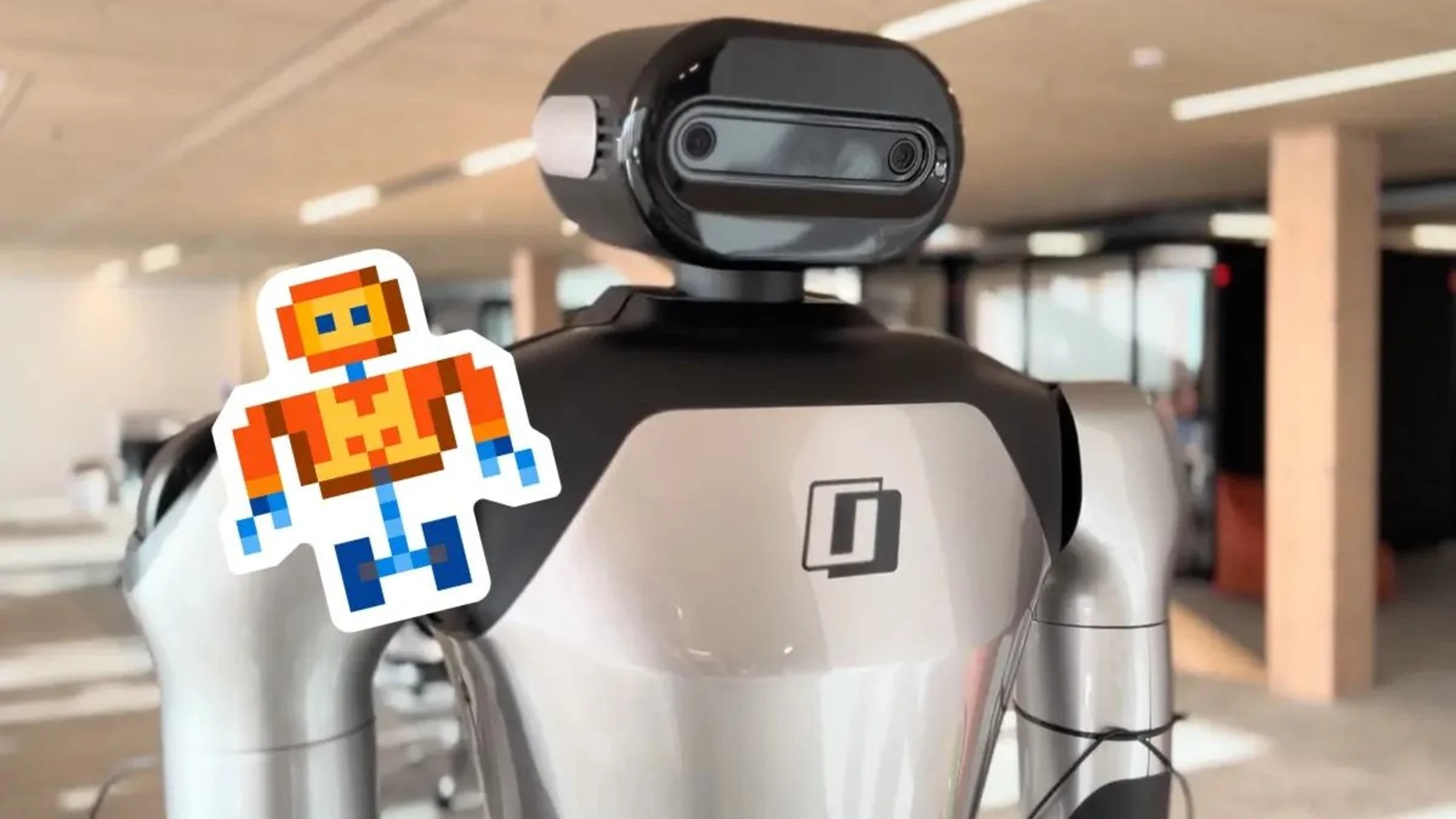
Mistral’s 8 July Robostral Navigate release used an 8B model and one RGB camera to reach 76.6% success on unseen R2R-CE routes.

OpenAI’s 8 July GPT-Live launch introduced continuous listening and speaking, background delegation and two globally rolling voice checkpoints.

Meta’s 7 July Muse Image release paired multi-reference generation, conversational edits and legible text with distribution across Meta AI and social apps.
Tencent’s 6 July Hy3 release opened Apache-licensed 295B weights after feedback from more than 50 products and a scaled RL programme.

Meituan’s July LongCat 2.0 release opened a 48B-active trillion-class model trained on AI ASIC superpods for code, search and tools.
Mistral’s 2 July Leanstral 1.5 release opened a 119B-total, 6.5B-active Lean 4 agent for theorem proving and verified software work.

Anthropic’s 30 June Sonnet 5 launch narrowed the Opus gap on coding, browsing and computer use while introducing lower launch pricing.

Huawei’s openPangu 2.0 family paired 512K context with hybrid sparse attention, 34T-token training and Flash and Pro weight releases.
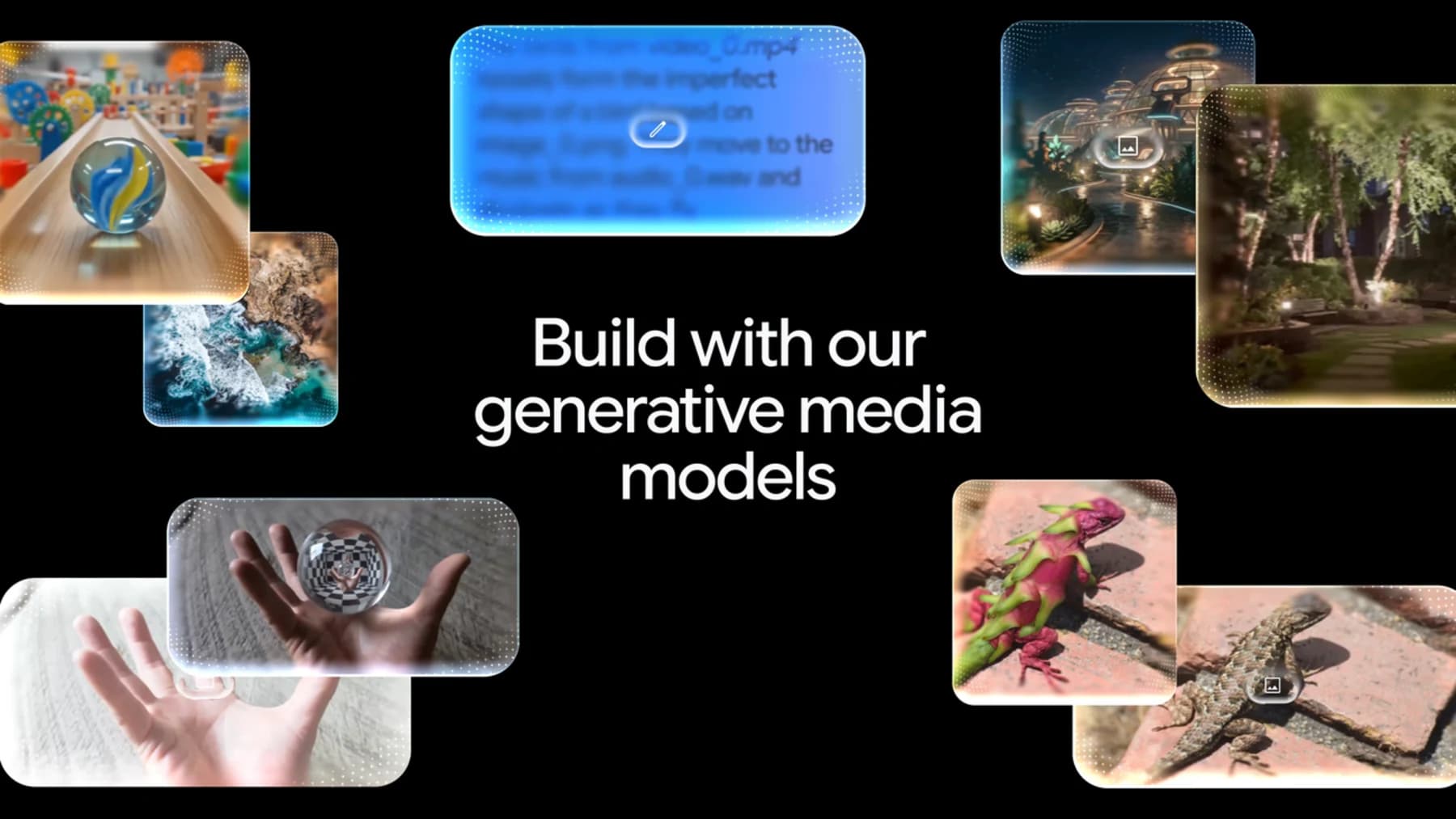
Google’s 30 June Nano Banana 2 Lite launch introduced its fastest, lowest-cost Gemini image model for high-throughput generation and editing.
DeepSeek’s 27 June V4 preview released Pro and Flash weights with million-token context, compressed attention and DSpark speculative decoding.

Build an evidence-led UK AI assurance pack covering scope, controls, testing, incidents, suppliers, approvals, and independent review.

Mistral’s 23 June OCR 4 release added bounding boxes, typed blocks and confidence scores across 170 languages, with API and self-hosted access.

Z.ai’s 16 June GLM-5.2 release added MIT-licensed million-token weights, lower sparse-attention cost and major coding and tool-use gains.

Moonshot AI’s 12 June Kimi K2.7 Code release opened a 1T-total multimodal coder with stronger MCP use and 30% fewer reasoning tokens.

Model the full cost of production AI: usage, data, retrieval, review, integration, governance, failure, and verified business outcomes.

Google’s 10 June DiffusionGemma release opened an experimental 26B MoE that generates text by diffusion at more than 1,000 tokens per second.

Anthropic’s 9 June launch used one frontier model for two access tiers: safeguarded Fable 5 and trusted cyber-and-biology variant Mythos 5.
Cohere’s 9 June North Mini Code release delivered Apache-licensed 30B-total, 3B-active weights for terminal work and agentic software engineering.

Google’s 9 June release brought near-real-time speech-to-speech translation to the Gemini Live API, Translate and a Meet private preview.

Apple’s 8 June AFM 3 release described five new on-device and private-cloud models, including a 20B sparse model that activates only 1B–4B parameters.

NVIDIA’s 4 June Nemotron 3 Ultra release paired 55B-active hybrid inference, one-million-token context and reproducible evaluation tooling.

Google’s 3 June Gemma 4 12B release delivered an Apache-licensed multimodal model with native audio that can run in roughly 16GB of memory.

xAI previewed Imagine Video 1.5 on 3 June, moved it to general availability on 16 June and added reference inputs on 31 July.

Microsoft’s 2 June MAI family introduced reasoning, coding, image, voice and transcription models, led by MAI-Thinking-1 and MAI-Code-1-Flash.
MiniMax’s 1 June M3 launch combined a one-million-token sparse-attention model with open weights and strong coding, browsing and tool-use results.

StepFun’s 29 May open release paired 11B-active MoE inference with 400-token-per-second throughput and strong visual and agent benchmarks.
xAI’s 29 May Grok Build 0.1 beta introduced a coding-focused model with fast output, simple token pricing and agent-platform availability.

Audit enterprise RAG across corpus quality, permissions, retrieval, ranking, groundedness, citations, abstention, latency, and cost.

Anthropic’s 28 May Opus 4.8 update improved coding, browser use and self-checking while retaining Opus pricing and adding effort controls.

Mistral’s 22 May Medium 3.5 release arrived with remote agents in Vibe and a broader Work mode for long-running coding and knowledge tasks.

Alibaba’s Qwen 3.7 rollout added million-token Max and multimodal Plus models for coding, GUI operation, tool use and productivity workflows.

Cohere’s 20 May Command A+ release brought Apache-licensed multimodal enterprise weights, 48-language coverage and sparse 25B-active inference.

Google’s 19 May Gemini 3.5 Flash launch combined faster output with stronger terminal, professional-work and visual-reasoning benchmarks.

Google announced Gemini Omni Flash on 19 May as a native multimodal video model, then opened developer preview access through the Gemini API on 30 June.

ByteDance released Lance on 18 May: a 3B research model unifying image and video understanding, generation and editing under Apache 2.0.

A source-led 2026 UK guide to earning visibility in AI answers through useful evidence, technical access, honest markup, measurement, and editorial control.

A board-level UK AI governance model for inventory, risk appetite, accountable ownership, material controls, incidents, suppliers, and evidence-led expansion.

Krea introduced its first from-scratch image foundation model on 12 May, then released K2 Raw and Turbo weights with a detailed report on 23 June.

A practical UK operating model for combining voice, video, images, and documents without losing provenance, privacy, accessibility, or human control.

A 2026 operating guide for law, accounting, and advisory firms that need useful AI without weakening confidentiality, privilege, ethics, or supervision.

A practical 2026 UK guide to agentic workflows with bounded tools, deterministic policy, approvals, reconciliation, security, and measurable pause gates.
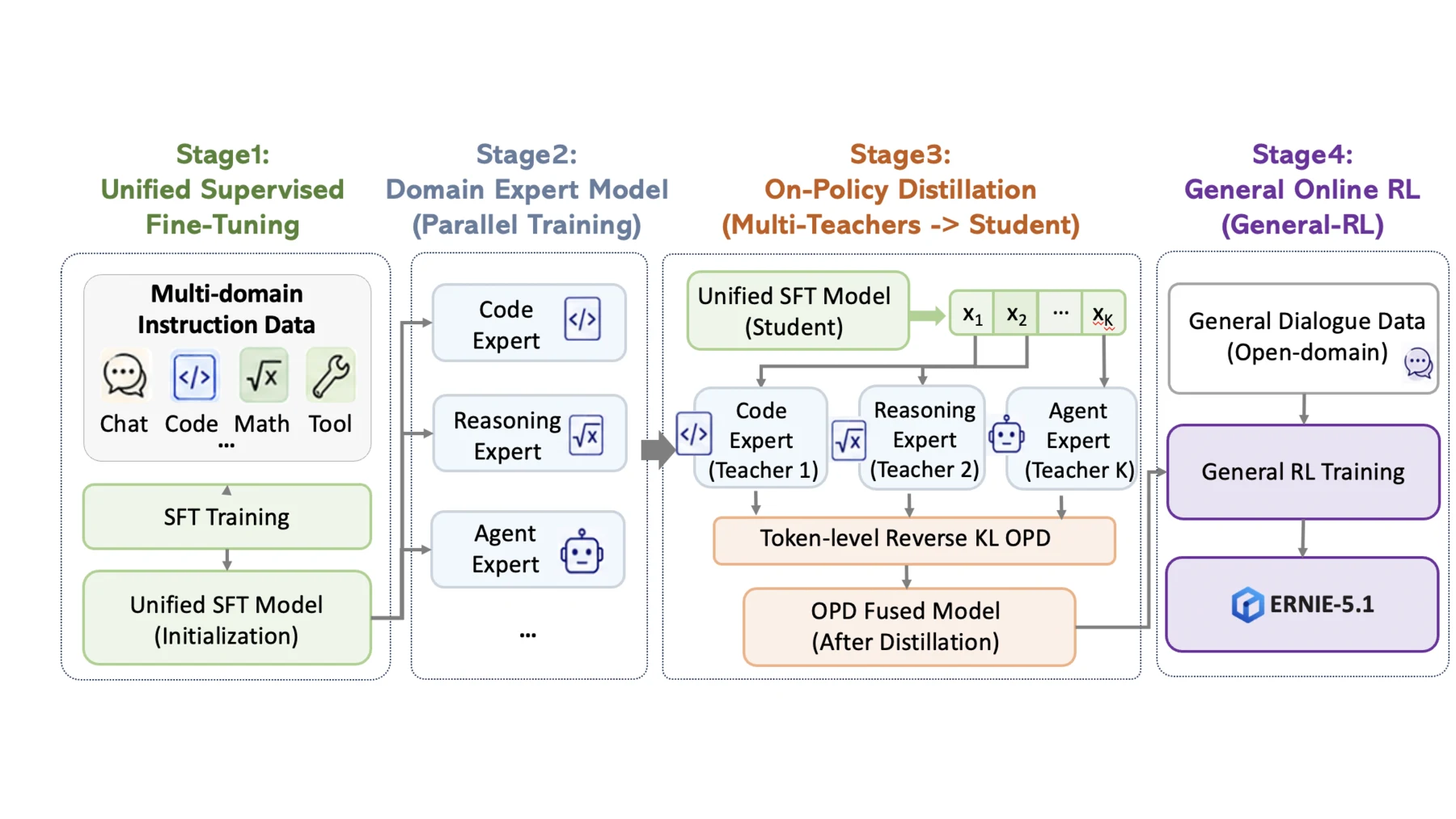
Baidu’s 9 May ERNIE 5.1 release cut training and inference scale while reporting strong search, agent and tool-assisted reasoning results.

A rigorous UK operating model for using synthetic data in testing while controlling disclosure, misleading fidelity, weak edge cases, and governance drift.

A practical UK guide to deploying computer vision for inspection without confusing model confidence with product release, safety, or conformity evidence.

OpenAI’s 7 May cyber release paired GPT-5.5 with a higher-capability trusted-access variant, new eligibility rules and measured exploit gains.

OpenAI’s 7 May release introduced GPT-Realtime-2, GPT-Realtime-Translate and GPT-Realtime-Whisper for reasoning, translation and live transcription.

Voice AI can reduce queues and after-call work when consent, accessibility, escalation, staff monitoring and customer outcomes govern the automation.

AI can improve security detection, but UK resilience depends on useful telemetry, rehearsed decisions, bounded automation and recovery within impact limits.

UK SMEs can deploy robotics safely and profitably by choosing bounded tasks, engineering hazards out, securing connected machinery and measuring flow.

A strong AI procurement defines outcomes, evidence, data rights, security, exit and measurable service levels before a persuasive vendor demo becomes a dependency.

Retail media AI can make offers more relevant, provided UK teams control tracking, sponsored ranking, exclusions, frequency and incremental value.

Enterprise knowledge AI works when permissions, records, provenance and evaluation turn scattered documents into reliable answers rather than confident noise.

AI commerce search can improve discovery and conversion, but only when catalogue truth, consumer law, privacy and measurable relevance come first.

A 2026 UK operating model for recording, transcription, decisions and actions that protects participants, sensitive discussions, access rights and system integrity.

A practical 2026 UK model for planning mobile work around skills, parts, travel, safety and privacy while improving first-time fix and customer reliability.

A practical model for demand-led pricing that protects margin while meeting UK transparency, consumer-fairness, privacy, competition and human-oversight duties.

A practical 2026 playbook for letting operations teams automate safely through owned workflows, controlled data access, testable releases and reliable rollback.

A practical 2026 model for matching, validating and governing customer, supplier and product records while preserving provenance, privacy and correction rights.

A 2026 model for using occupancy, meter and equipment data to cut building energy waste without sacrificing comfort, ventilation, safety or cyber resilience.

A practical model for ambient notes, referrals, coding and patient messages that preserves clinical responsibility, records integrity and safe escalation.

A practical 2026 model for governing AI in underwriting, pricing and claims through explainable evidence, fairness testing and accountable human decisions.

A 2026 operating model for faster fraud triage and cleaner reconciliation without letting AI alter ledgers, suppress claims or bypass safeguarding controls.

A UK playbook for using AI to organise feedback and accelerate prototypes without replacing research, fabricating personas or hiding accessibility and privacy risks.

A practical 2026 model for extracting invoices, forms, contracts and email into governed workflows with source fidelity, human review and measurable stop conditions.

A practical 2026 operating model for connecting customers, products, assets and documents with governed semantics, evidence-linked AI and measurable data quality.

Turn first-party buying signals into timely, relevant sales work without opaque surveillance, unlawful outreach or automated decisions that buyers cannot understand.

Use AI to maintain accurate local information, useful pages and review workflows without scaled-content spam, fake locations or unlawful review practices.

A practical 2026 playbook for introducing AIOps without hiding incidents, leaking telemetry or letting probabilistic tools make uncontrolled production changes.

Move beyond punitive click-rate exercises with adaptive training, technical controls, privacy safeguards and measurable incident-response outcomes.

A practical 2026 model for AI-assisted disclosure, chronology and case preparation that preserves evidence, privilege, confidentiality and lawyer accountability.

UK SRS S1 and S2 now exist, but are not universal mandates. Use AI to strengthen climate-risk evidence, controls and reporting without automating judgement.

Use AI to synthesise interviews, surveys, reviews and support data without inventing themes, exposing participants or mistaking volume for evidence.

Test autonomous mobile robots and AI fulfilment controls without weakening pedestrian safety, inventory integrity or worker protections.

Design an AI-assisted intake and routing workflow that improves access while preserving clinical judgement, safety-netting and regulatory assurance.

Shorten the UK month-end close with AI-assisted reconciliations and commentary while preserving journals, evidence, accounting judgement and sign-off.

A practical production system for scaling AI-assisted copy, images and video while preserving rights, evidence, approvals and brand quality.

Qualify property enquiries faster without hiding listings, discriminating between applicants or confusing early interest with AML and affordability checks.

A 90-day plan for English schools to cut repetitive administration while protecting pupils, staff judgement, records and safeguarding.

Forecast demand and build fairer UK restaurant rotas without creating wage, rest-break, privacy or food-safety failures.

Build an AI-assisted rebooking system that improves retention without manipulative messages, hidden prices or unsafe treatment recommendations.

A UK guide to using AI for take-offs, cost plans and tender drafts while keeping assumptions, safety allowances and commercial judgement auditable.

A practical UK fleet guide to testing predictive maintenance while preserving inspections, driver reporting, privacy and operator accountability.

A 90-day, evidence-led roadmap for UK SMEs to select, govern and prove an AI use case without buying technology before the business is ready.

A current UK operating guide for using AI in privacy work without automating legal judgement, consent, anonymisation or breach reporting.

A current UK guide to quantum machine learning, error correction and quantum-safe security, with practical benchmarks and a 90-day plan.

A current operating guide for UK brain-computer interfaces, AI-assisted EEG and neurofeedback, separating research promise from medical evidence.

A 2026 guide to AI-assisted crop breeding, soil data and yield forecasting, with England’s precision-breeding rules and measurable field gates.

A current UK guide to AI trend analysis, community moderation and campaign optimisation with Online Safety, privacy and advertising controls.

A current guide to museum route recommendations, collection research and historical reconstructions with ethics, provenance and access controls.

A current guide to AI room layouts, renovation renders and smart-home automation, with measured surveys, approvals, privacy and release gates.

A 2026 UK workflow for computational photography, AI culling and historical restoration with copyright, privacy, provenance and human selection built in.

A current UK guide to AI bookkeeping, Making Tax Digital for Income Tax and tax-advice automation with reconciliations, evidence and human accountability.

A 2026 UK guide to adaptive exercise and gait technology for older adults, separating general activity support from falls services and physiotherapy.

A 2026 UK operating guide to underwater vision, pollution analytics and habitat-restoration AI with survey design, licensing and evidence integrity intact.

A 2026 UK operating guide to camera-trap, acoustic and drone AI that preserves survey design, protected-species law, privacy and conservation evidence.

A 2026 UK operating guide to AI-assisted ambulance planning, 999 triage and fire-risk prioritisation with clinical safety, fairness and resilient fallback.

A 2026 UK operating guide to AI desk allocation, indoor-environment controls and coworking analytics with accessibility, privacy, fire safety and security intact.

A 2026 UK operating guide to AI fraud controls, checkout automation and payment routing with APP reimbursement, SCA, privacy and resilience built in.

A 2026 UK operating guide to food-safety prediction, computer vision and traceability that keeps HACCP, sampling, recalls and human accountability intact.

A 2026 UK guide to AI playlists and music interventions for anxiety, pain and dementia, separating wellness tools from regulated professional therapy.

A 2026 operating guide to cleaning robots, demand sensors and hygiene analytics with UK machinery, COSHH, worker-privacy and assurance controls.

A 2026 guide to handwriting AI, record linkage and DNA matching for UK family history, with archival provenance, privacy and verification controls.

A 2026 operating guide for UK legal teams using AI to review contracts while preserving supervision, confidentiality, authoritative law and execution controls.

A 2026 operating guide to AI in wind, solar and battery assets, grounded in current GB and Northern Ireland system, safety and cyber boundaries.

A 2026 UK operating guide for drone inspection, mapping and delivery with current CAA authorisation, privacy, payload and human-accountability boundaries.

A 2026 operating guide for nurseries and early-years teams using AI for observations, planning and parent communication without profiling or diagnosing children.

A 2026 operating guide for UK breweries using AI in fermentation, quality and demand planning while preserving HACCP, duty, allergen and process-safety controls.

A 2026 UK operating guide to sleep trackers, smart bedrooms and digital insomnia support, with evidence limits, medical-device boundaries and safe pilot gates.

A 2026 operating guide for captions, navigation, accessible content and BSL support that is co-designed with disabled people and preserves dependable alternatives.

A 2026 guide for remote sensing, tree-health alerts, wildfire risk and carbon estimates that keeps field evidence, permissions and ecological judgement in control.

A 2026 operating guide for demand planning, pattern efficiency, resale and traceability that connects every sustainability claim to product-level evidence.

A 2026 operating guide for water-quality alerts, leakage and network control that keeps laboratory evidence, regulatory duties, OT safety and human authority intact.

A 2026 operating guide for shipment visibility, supplier risk and trade compliance that separates model signals from verified events and rehearsed recovery.

A 2026 guide for library discovery, digitisation and community insight that protects intellectual freedom, privacy, accessibility and professional judgement.

A 2026 guide to connected feeders, activity monitors, cameras and breeding support that prioritises welfare, veterinary escalation, evidence and fail-safe design.

A 2026 guide to AI design options, building simulation and carbon analysis that preserves professional judgement, regulatory evidence, safety and asset data.

A 2026 framework for job adverts, candidate matching and interview support, preserving fair criteria, adjustments, privacy, meaningful review and candidate redress.

A 2026 guide to skin imaging, virtual try-on and product recommendations with controls for medical claims, cosmetic safety, evidence, privacy and human escalation.

UK workflow for AI-assisted podcast editing, transcripts and localisation, with controls for accuracy, voice consent, music rights, advertising and accessibility.

A guide to AI for charity operations, fundraising and grant review, preserving trustee accountability, donor choice, beneficiary safety and data protection.

How UK public bodies can use AI for triage, guidance and casework support without outsourcing legal authority, accessibility, equality or accountability to a model.

A 2026 newsroom guide to using AI for local reporting while preserving source evidence, editorial accountability, privacy, court restrictions and corrections.

A practical guide to AI-assisted esports in the UK—from replay review and broadcast workflows to competition rules, player privacy, safeguarding and release gates.

A practical UK guide to AI cyber defence without mistaking fast detection for safe autonomy—from secure architecture and analyst review to measurable release gates.

AI can compare options and assemble an itinerary, but reliable UK travel still depends on live inventory, total-price evidence and accessible, verified choices.

Digital twins, robot cells and vision systems improve automotive production when results stay tied to physical evidence, worker safety and release gates.

A UK-first guide to digital mental-health AI, covering intended purpose, clinical evidence, crisis escalation, privacy, security and measurable 90-day gates.

A 2026 guide to using AI for energy forecasting, carbon accounting and material recovery without confusing predictions with verified environmental results.

A UK framework for budgeting, open-banking insights and investment support that separates guidance, targeted support, regulated advice and money movements.

How to deploy support assistants that give verifiable answers, take only authorised actions and preserve accessible human, cancellation and complaints routes.

A UK-first operating guide to AI valuations, listings, tenant journeys and property maintenance, with human review, building safety and measurable 90-day gates.

A UK-first guide to AI-assisted plumbing and HVAC diagnostics, with competent-person controls, remote monitoring, failure modes and measurable 90-day gates.

A UK-first operating guide to machine translation and localisation, covering human review, accessibility, privacy, security and measurable 90-day release gates.

A practical UK guide to irrigation, plant health, autonomous tools and landscape design, with biodiversity, pesticide, water and safety release gates.

How UK gyms can use wearables and computer vision safely, with medical-device boundaries, health-data controls and measurable coaching release gates.

A 2026 UK playbook for gemstone analysis, generative design and traceable sourcing—without confusing model confidence, hallmarking or provenance.

A 2026 guide to AI transcription, cataloguing and discovery that preserves masters, provenance, rights, sensitive records, accessibility and recovery evidence.

UK guide to AI for funeral administration and memorial archives, protecting price transparency, estate authority, privacy, creative rights and bereaved families.

UK event and wedding teams can use AI for schedules, communication and forecasts while retaining control of safety, accessibility, allergens and legal ceremonies.

A practical UK guide to AI in vineyards and wineries, covering field evidence, fermentation controls, wine records, lawful labels and measurable release gates.

A practical UK guide to dental AI for radiographs, records and treatment planning, with clinician accountability, device controls and measurable release gates.

A practical UK guide to AI queue forecasts, crowd monitoring and ride maintenance, with accessible alternatives, independent safety and measurable release gates.

A practical UK guide to AI composition, voice, production and streaming that preserves consent, contributor metadata, evidence and royalty accountability.

How UK archaeology teams can use lidar, computer vision and 3D records without losing context, consent, uncertainty or a durable digital archive.

A practical UK guide to camera feeding, biomass, water-quality and fish-health AI, with devolved regulation, human review and measurable welfare gates.

A practical UK playbook for AI sorting, collection and material tracking, with current rules, safety controls and measurable circular-economy gates.

How UK care providers can use fall detection, remote monitoring and companion AI without weakening consent, dignity, privacy or human response.

A practical UK guide to veterinary AI for imaging, triage and monitoring, covering validation, accountability, consent, records and safe rollout.

A practical UK guide to satellite autonomy, Earth observation and debris decisions, with licensed mission authority, safe modes and measurable release gates.

A practical UK guide to AI in mineral exploration, mobile plant and mine safety, with geological uncertainty, competent control and measurable release gates.

A practical UK guide to AI in ports, routing and autonomous vessels, with bounded operating domains, human authority and measurable maritime release gates.

A UK evidence framework for AI in discovery and clinical trials, covering context of use, GxP data, participant protection and release gates.

How UK aviation teams can assure predictive maintenance and air-traffic AI through controlled evidence, human factors and measurable safety gates.

A practical UK guide to retail AI for recommendations, smart stores and checkout, with current consumer, privacy and accessibility controls.

How UK public bodies can deploy urban AI with transparent decisions, privacy safeguards, safe infrastructure control, and measurable release gates.

Warehouse AI only works when inventory events, task logic, robots, workers, and safety controls stay aligned. Here is a gated UK rollout model.

A workflow for AI-assisted publishing, covering source verification, copyright, editorial accountability, EU labels, advertising, and correction gates.

AI can tune 5G networks only when telemetry, authority, rollback, and resilience are engineered as one controlled and auditable feedback loop.

A practical UK guide to food AI across demand, traceability, allergens, and kitchen automation, with HACCP controls and measurable release gates.

A guide to fashion AI for demand signals and virtual fitting, with privacy, consumer claims, EU transparency, and measurable rollout gates.

How UK sports teams can use performance analytics, wearables, and fan AI with clear data zones, human decisions, and measurable rollout gates.

A UK guide to AI threat detection, SOC rollout gates, safe automated response, incident evidence, and the Cyber Security and Resilience Bill.

A UK guide to procuring, testing, and governing recruitment AI with structured selection, candidate notice, accessibility, bias checks, and human review.

A practical UK guide to using AI in underwriting and claims while protecting fairness, explainability, customer outcomes, and meaningful human review.

How UK manufacturers can turn condition data into safe maintenance decisions through asset selection, model validation, OT security, and staged rollout.

A UK guide to using AI across booking, guest service, and hotel operations without misleading customers, over-collecting data, or losing human control.

A 2026 guide to procedural generation, learned NPCs, and live AI in games, covering design control, copyright, platform disclosure, and child safety.

A guide to construction AI for programme control, document review, progress evidence, and site safety under UK duty-holder, privacy, and drone rules.

AI route planning delivers value before full autonomy, but fleets must encode legal hours, vehicle limits, safety, data rights, and human fallback.

A practical UK guide to crop sensing, variable-rate inputs, drones and field robotics, with lawful application controls and measurable agronomic gates.

A practical UK guide to AI tutoring, lesson support and assessment, with child-data safeguards, evidence standards and measurable classroom release gates.
A practical UK guide to automated valuations, digital listings, virtual tours and smart buildings, with evidence-led controls and measurable release gates.

A practical UK guide to AI forecasting, renewable integration and demand flexibility, with grid-safe controls, consumer safeguards and measurable release gates.

A source-backed review of the UK's 2025 AI shift, updated for 2026 law, assurance and cyber risk, with practical portfolio decisions.

A practical guide to AI-assisted contract review and due diligence with source verification, privilege, confidentiality and accountable legal judgement.

A practical UK guide to using AI agents in fraud operations and wealth journeys while preserving accountability, customer outcomes and model controls.

A practical UK guide to predictive analytics and remote monitoring with clinical safety, device regulation, privacy and measurable escalation controls.

A current guide to adopting Claude Code with scoped permissions, trusted context, reviewable changes, secure extensions and measurable engineering outcomes.

A practical UK guide to triaging retail returns with AI while protecting refund rights, fraud controls, product safety and environmental claims.

A research-grounded guide to claims about AI consciousness, separating behaviour, architecture and moral uncertainty without declaring sentience.

A practical UK guide to virtual try-on and skincare recommendations with product-safety, claims, privacy, inclusion and medical boundaries.

A practical UK guide to lawful personalisation, generative creative, measurement and consumer choice without relying on a cookieless marketing myth.
A practical UK guide to industrial AI, digital twins and collaborative robots with measurable value, machinery safety and secure operational technology.
A practical UK framework for role-based AI training, accessible learning, valid assessment and responsible use of employee learning data.
A practical UK guide to voice ordering, food forecasting and waste controls that protects allergen information, privacy and food safety.

A practical UK guide to using sensors and AI for property maintenance while preserving safety duties, tenant privacy and accountable decisions.

Build and operate n8n workflows with safe triggers, least-privilege credentials, testable releases, observability, recovery and 90-day gates.

A practical guide for UK financial firms using AI personalisation under the Consumer Duty, data-protection safeguards and resilience expectations.
A practical UK guide to using AI for demand, fulfilment, service and returns during retail peaks without sacrificing safety or consumer rights.

An England and Wales guide to using AI in legal work with effective supervision, verified authorities, disclosure discipline and confidentiality controls.

A 2026 UK guide to measuring AI energy, carbon, water and hardware impacts, improving workloads and making environmental claims that stand up.

A practical UK guide to deploying AI agents with bounded authority, human review, worker safeguards, security controls and clear pause gates.

A source-led review of UK AI policy and adoption through July 2026, with practical implications for organisations planning their next 90 days.

A 2026 UK guide to using AI for clinic reception while keeping clinical boundaries, patient access, data protection and human escalation intact.

A 2026 UK operating guide for automating financial-services workflows while preserving Consumer Duty outcomes, model controls and operational resilience.

A 2026 implementation guide for adding AI to a CRM without losing record integrity, customer permissions, security or human accountability.

A 2026 calculator for comparing an AI-assisted reception service with the real current operation, including payroll, residual human work, risk and quality.

A practical 2026 guide to choosing one useful AI workflow, protecting data, testing failure modes and deciding with evidence whether to scale.